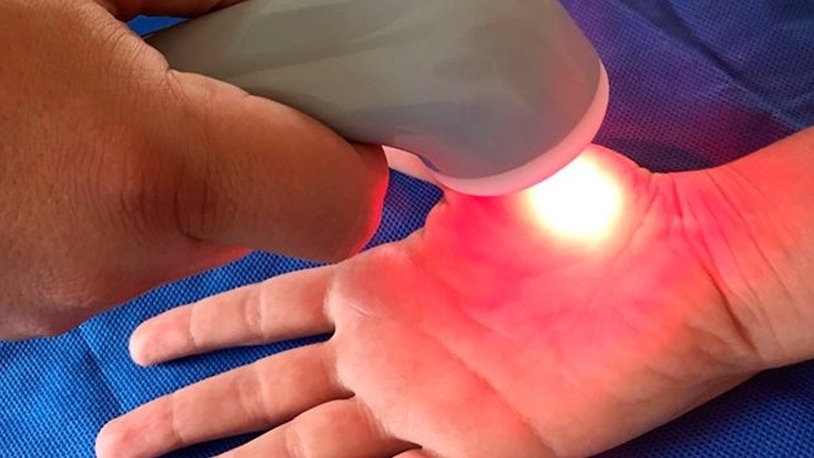
Treatment of Fibromyalgia in Dubai
Fibromyalgia is a chronic pain disorder. It is chronic in that it lasts three or more months in duration. It is diffuse, involving relatively large swathes of muscles. There are some distinct 'trigger points' on various parts of the body which are tender and, on applying pressure, send waves of pain across the entire muscle group. The term 'fibromyalgia' is self-explanatory; fibers that surround muscles (fibro), and -algia (a Latin synonym of pain). Nevertheless, with the ever-growing medical research about this deeply mysterious and equally pervasive pain disorder, other unrelated features of the disease are being recognized. Cognitive dysfunction (fibro- fog), joint pains, inexplicable headaches, and clinical depression are other very common complaints that accompany this pain disorder.
Probable Causes of Fibromyalgia
Many possible causes have been put forward; however, none of them is proven so far. Some of these probable causes are genetics, autoimmune mechanisms, stress, repeated trauma, diabetes, and chronic infections, etc.
Assessment of Fibromyalgia
For assessment of fibromyalgia, it is important to have a detailed evaluation of a patient's medical history. Also, careful assessment of symptoms such as fibro-fog and thorough clinical examination is essential for accurately diagnosing fibromyalgia while excluding other chronic pain disorders.
Common symptoms of fibromyalgia:
- Chronic fatigue
- Widespread muscle pain
- Sleep disturbance
- Tender trigger points
- Sleep disturbance
- Brain fog and difficulty concentrating
- Joint stiffness
- Anxiety and depression
- Frequent headaches
Investigations for Fibromyalgia
There are no definitive blood tests, biopsies, or imaging tests that confirm the diagnosis of fibromyalgia. Nevertheless, it is an accepted routine clinical practice to perform blood tests for autoimmune disease markers, metabolic tests, vitamin D and B12 estimation, and neurophysiological investigations like electromyography (a computerized method to study muscle activity) and nerve conduction study (mapping the nerve signals).
Treatment of Fibromyalgia in Dubai
There are many ways in which much-needed relief from debilitating pain can be offered to the patient. These include lifestyle modifications and specific neurotransmitter-enhancing medications (Gabapentin, Pregabalin and Duloxetine). Prescription painkillers, especially opioids, must always be avoided. An expert neurologist like Dr. Arun Sharma can skillfully guide the patient towards a painless life.
Frequently Ask Questions
What exactly is Fibromyalgia?
Fibromyalgia is a condition that causes long-lasting pain all over the body. It is often described as a "pain processing disorder," where the brain and nervous system become extra sensitive, making normal sensations feel painful. People with this condition often feel like their muscles are deeply sore or burning.
What are the common signs I should look for?
The most common sign is widespread pain lasting for three or more months. However, it often comes with other symptoms like:
- Extreme tiredness - Feeling exhausted even after a full night's sleep.
- Brain fog - Finding it hard to focus, remember things, or think clearly.
- Sleep issues - Waking up frequently or feeling stiff in the morning.
- Mood changes - Feeling anxious or down because of the constant pain.
How is fibromyalgia diagnosed?
There is no single blood test or X-ray that can prove you have fibromyalgia. Instead, Dr. Arun Sharma performs a careful physical exam and listens to your health history. He looks for "trigger points" (specific spots on the body that are very tender when pressed) and may run tests to rule out other problems like vitamin deficiencies or arthritis. After analyzing the health history, searching for trigger points and receiving confirmation from tests, Dr. Arun Sharma administers the best fibromyalgia treatment in UAE.
Which is considered a highly effective fibromyalgia treatment in Dubai?
The most effective treatment for fibromyalgia is identified after considering the severity of symptoms and analyzing overall health condition of the patient. Treatment usually includes lifestyle modifications, specialized medication, stress management, sleep improvement strategies. Supportive therapies are also suggested by our neurologist that aim to reduce chronic pain and improve daily functioning.
Why should I see a Neurologist for this?
Since fibromyalgia is linked to how the nervous system sends pain signals to the brain, a neurologist (a brain and nerve specialist) is the best person to help. Experts like Dr. Arun Sharma can tell the difference between muscle pain and nerve-related disorders to ensure you get the right care. If you want to receive the best fibromyalgia treatment in UAE, Dr. Arun Sharma is the most trusted name.
What does the treatment look like?
The goal of fibromyalgia treatment in Dubai is to reduce pain and improve your daily life. This usually involves:
- Specialized Medication - Medicine that helps balance the chemicals in your brain responsible for pain.
- Lifestyle Changes - Gentle exercise, a healthy diet, and better sleep habits.
- Stress Management - Learning ways to relax, as stress can often make the pain worse.
Can lifestyle changes really help during treatment?
Yes, they are a very important part of the treatment. Regular, gentle physical activity and managing stress can help lower your pain levels over time. Dr. Sharma often suggests avoiding certain habits and focusing on a routine that keeps your body and mind calm to prevent the symptoms from flaring up.
Advanced and suitable fibromyalgia treatment in Dubai
It is never easy to manage life with constant muscle pain, stiffness and fatigue. These health issues affect our life and spoil the quality of life. Do not ignore these symptoms that interfere with your physical and emotional well-being. Consult with Dr. Arun Kumar Sharma and get effective fibromyalgia treatment in Dubai. Receive personalized care designed to reduce pain, improve mobility and enhance your quality of life.