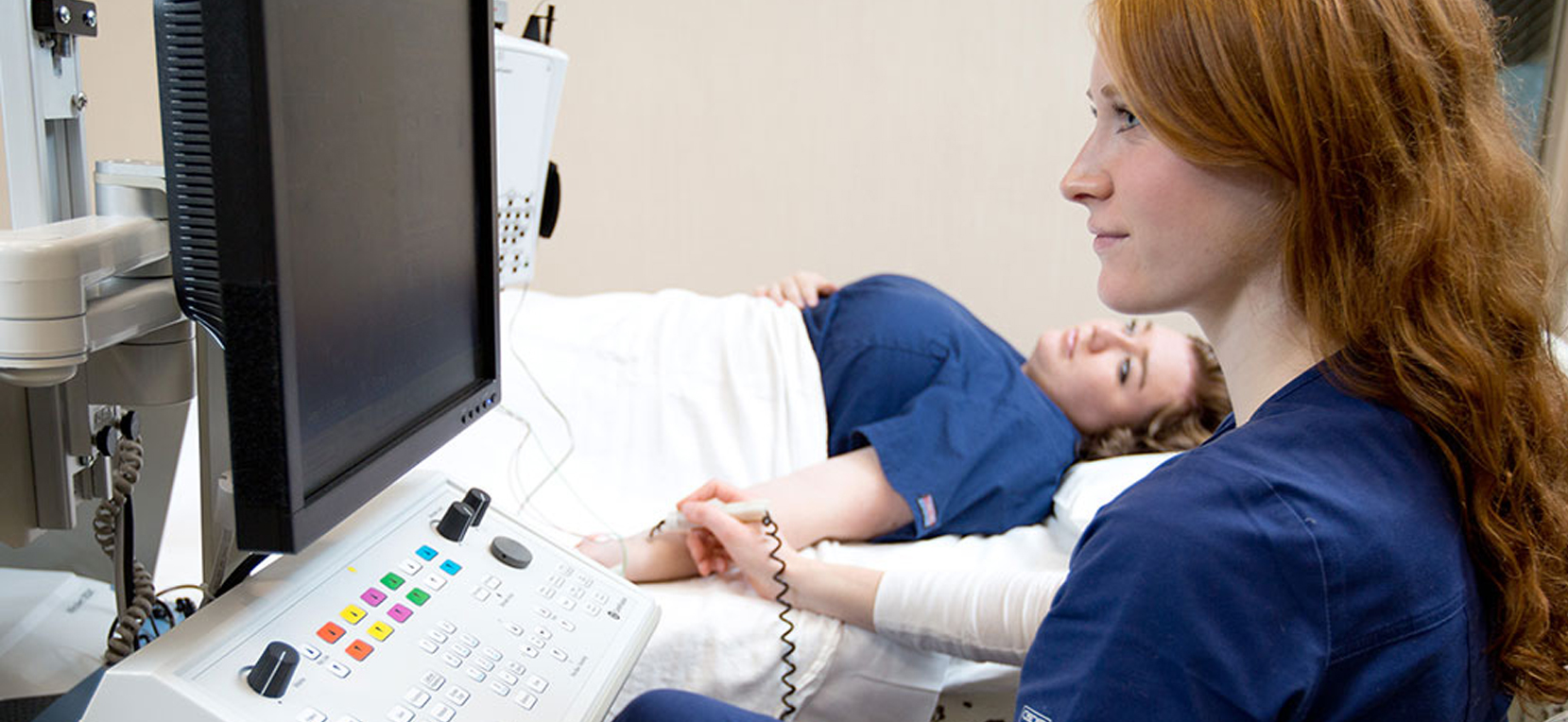
Neurophysiology Diagnostics for Patients
Neurophysiology diagnostics are an integral part of many clinical pathways for patients with problems and conditions that affect the functioning of the brain, nervous system and muscles.
Clinical applications of Neurophysiological Investigations
Nerve Conduction Studies (NCS) and Electromyography (EMG):
These tests provide an objective assessment and usually involve two things. Firstly, nerve conduction studies, electrical pulses to stimulate different nerves to investigate motor and sensory nerve function .Secondly, the use of fine concentric needle or surface electrodes to test muscle function. This is the EMG (electromyography) part.
Evoked Potential Studies (EPS) – Visual (VEP), Auditory (AEP), and Somatosensory (SSEP):
Evoked potentials are potentials produced by the brain in response to specific stimuli, for example, a flashing light ,sound, or electrical pulse. They are used to access the function of nerve pathways, especially in some neurological disorders, such as multiple sclerosis and optic nerve disorders.
Chemodenervation with Botulinum toxin under EMG guidance:
For blepharospasm, hemifacial spasm, spasmodic torticollis, writer’s cramp etc.. Repetitive Nerve Stimulation Study and Single Fiber EMG for myasthenia gravis and Eaton –lambert syndrome
Electro Retinography (ERG):
evaluation of various retinal diseases, like diabetic retinopathy
Video –Electroencephalogram (EEG) :
EEG is a recording of electrical activity of the brain and is used in the investigation of various neurological conditions such as epilepsy/unexplained blackouts, intracranial infections, metabolic disorders, encephalopathy, abnormal movement, stroke, confusion, memory deterioration or impairment/dementia, and sleep disorders. In epilepsy, it aids in the localization/classification of the problem, and for assessment of treatment, underlying causes or prognosis, as certain types of epilepsy respond best to certain types of medication.
Frequently Asked Questions
What can I expect from Neurophysiology Diagnostics for Patients in Dubai?
These are safe and simple tests used to check how well your brain, spine, and nerves are communicating. Instead of just guessing what is wrong, these tests give your doctor a clear "map" of your nervous system. This helps us find the exact cause of symptoms like pain, numbness, or muscle weakness so we can start the right treatment.
How do you handle Stroke treatment in Dubai?
When it comes to a stroke, every minute matters. Our approach focuses on quick action to limit damage and a long-term plan to help you recover. We work on identifying why the stroke happened and provide a personalized plan including medicine and lifestyle changes to help you regain your strength and prevent another one from occurring.
Why might my doctor recommend a Video electroencephalogram in Dubai?
This is a very helpful test where we record your brain’s electrical activity while also taking a video of you. By matching the video of your physical movements to the recording of your brain waves, our specialists can see exactly what happens during a seizure or a blackout. This makes it much easier to give you an accurate diagnosis compared to a standard brain test.
What should I bring to my first visit?
To make the most of your time with the specialist, please bring any previous medical reports, recent scan results (like X-rays or MRIs), and a list of any medicines you are currently taking. It is also a good idea to write down your symptoms and any questions you have so you don’t forget them during the consultation.
Are the nerve and brain tests painful?
Most of our diagnostic tests are completely painless and non-invasive. For example, during a brain wave test, we simply place small, sticky sensors on your skin or scalp. Our team is trained to be very gentle and will explain every step of the process to ensure you feel comfortable and relaxed.
How long does it take to get my test results?
We understand that you want answers quickly. In most cases, the results from your diagnostics are ready within a few days. Once the results are in, your doctor will meet with you to explain what they found in plain language and discuss the best way to move forward with your care.